The Significance of Finding the Right Orthodontist for Your Smile Journey
Identifying the best orthodontist is a pivotal choice in attaining an ideal smile. This selection influences not only the effectiveness of the treatment but also the general experience. A knowledgeable orthodontist appreciates individual needs and adjusts plans appropriately. Moreover, their ability to convey information clearly can greatly enhance patient comfort. As the treatment advances, the effect of this selection becomes ever more evident, prompting questions about what characteristics truly count in an orthodontic expert.
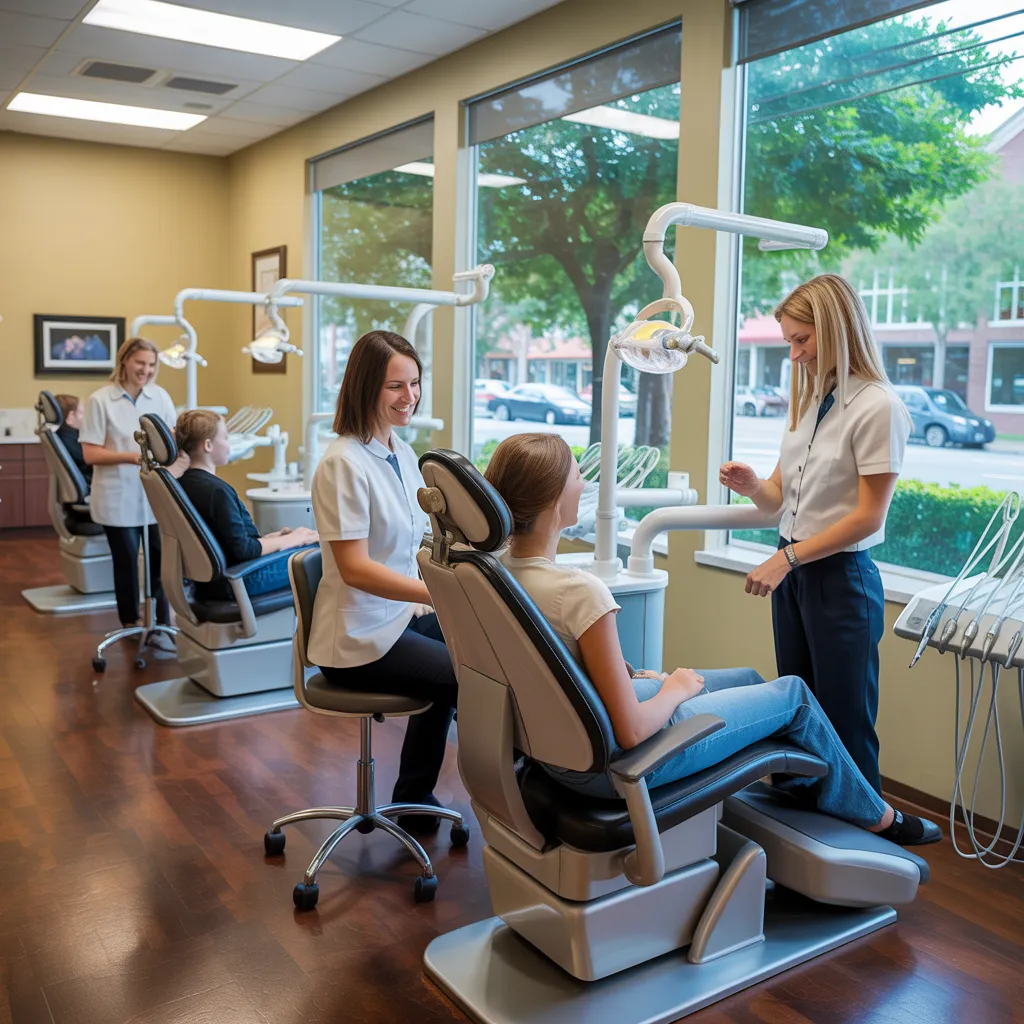
Why Picking the Right Orthodontist Makes a Difference for Your Smile
Picking the ideal orthodontist is essential, as a skilled professional can greatly influence the quality of one's smile. The path to reaching a perfect smile encompasses not only professional knowledge but also a deep understanding of personal needs. An skilled orthodontist employs customized treatment plans, making certain that each patient is given personalized attention based on their unique dental structure.
Additionally, the choice of orthodontist impacts not only the success of the treatment but also the entire experience. A caring and attentive orthodontist fosters a comfortable environment, allowing patients to raise questions and share concerns throughout the treatment journey.

Additionally, the ideal orthodontist stays updated with the cutting-edge breakthroughs in orthodontic technology and techniques, which can enable more efficient and effective treatments. In the end, finding a competent orthodontist is a significant step toward securing a healthy, beautiful smile that can build self-assurance and enhance quality of life.
Key Qualities to Look for in Your Orthodontist
A successful orthodontic experience hinges on recognizing essential qualities in a qualified orthodontist. First, a strong educational background and relevant certifications are essential, guaranteeing that the orthodontist possesses up-to-date training and expertise in modern techniques. Additionally, strong communication abilities are of great importance; the orthodontist ought to clearly convey available treatment plans while thoughtfully responding to any concerns raised by patients.
Moreover, a compassionate and patient-centered approach can significantly improve the treatment experience. An orthodontist who listens to their patients establishes confidence and ease throughout the treatment process. Moreover, a inviting and professionally arranged practice environment demonstrates dedication to quality care and regard for patients' schedules.
Lastly, consider the access of innovative technology and care options. An orthodontist who adopts modern advancements is likely to provide higher quality and streamlined treatment. By focusing on these key factors, individuals can make informed choices, resulting in a highly rewarding orthodontic journey.
How Expertise and Specialization Affect Orthodontic Results
Experience and specialization play essential roles in determining orthodontic outcomes. A highly experienced orthodontist is better equipped to handle complicated cases with precision, minimizing complications and improving results. Their familiarity with various techniques and technologies allows for a tailored approach to each patient's unique needs.
Expertise in orthodontics greatly elevates treatment quality. Orthodontists who dedicate themselves exclusively to this specialty keep pace with the most recent developments, ensuring they employ the most proven techniques. This level of knowledge may produce greater diagnostic precision and customized care strategies that benefit both the practical and visual outcomes.
In addition, a seasoned orthodontist can quickly identify potential concerns during the course of treatment, implementing timely corrections that can considerably shape the end result. Ultimately, picking an orthodontist with a established record of achievement and specialization is essential for securing a stunning and healthy smile, as their skills and knowledge directly impact the success of the treatment process.
Choosing Your Orthodontic Treatment
What elements are important to evaluate when deciding on an orthodontic treatment? Initially, the kind of dental irregularity is a crucial factor. Several choices, such as traditional metal braces, ceramic braces, and clear aligners, address a variety of needs and preferences. The intricacy of the dental issue also affects the choice of treatment; more complex orthodontic cases may necessitate targeted methods. Furthermore, the treatment duration is a primary concern. Individuals frequently prefer a timeframe that accommodates personal commitments or aesthetic concerns.
Expense find the information remains another important factor, as orthodontic treatments can fluctuate considerably in cost. Coverage from insurance may also have an impact in making decisions. Additionally, individual personal preferences, including diet-related restrictions and care routines, should be assessed. Finally, speaking with an orthodontist can deliver useful information into the most appropriate and efficient treatment options based on a patient's individual dental needs. This detailed review ensures that people begin a productive orthodontic treatment process.
Why Comfort and Communication Matter in Your Orthodontic Journey
Upon starting an orthodontic journey, comfort and communication emerge as essential factors that considerably shape the overall experience. A patient's comfort within the orthodontic setting can notably shape their openness to committing to treatment. An welcoming environment, along with a compassionate staff, encourages a sense of calm and confidence, making visits less intimidating.
Proper communication is equally vital. An orthodontist who actively listens to patient concerns and clearly explains procedures guarantees that individuals feel valued and understood. This candid approach serves to ease worry and encourages a partnership-based relationship, where patients are more apt to comply with their prescribed treatments.
Additionally, a healthy rapport between the orthodontist and patient can produce better outcomes. When patients are at ease expressing their concerns and desires, orthodontists can adapt the treatment plan to meet individual needs. At its core, prioritizing comfort and communication creates the basis for a productive orthodontic process, elevating both results and satisfaction.
What Happens During Your Initial Consultation With an Orthodontist?
Throughout the first visit with an orthodontist, patients will experience a detailed assessment of their dental health and alignment. This initial visit generally includes a detailed assessment of the teeth, jaws, and facial structure. The orthodontist may take X-rays, photographs, and dental impressions to evaluate the patient's particular orthodontic needs.
Following the assessment, the orthodontist will discuss potential treatment options customized for the individual's needs. This encompasses an overview of the various types of braces or aligners available and the estimated duration of the treatment process. Patients are encouraged to pose questions and express any concerns they may have about the process.
Moreover, this appointment serves as a chance to gauge the level of comfort with the dental professional and the practice environment, which is important for creating a productive rapport throughout the treatment experience. Ultimately, the first consultation is an essential step in achieving a more radiant and healthier smile.
Questions We Often Receive
How Much Time Will My Orthodontic Treatment Require?
Orthodontic treatment duration typically ranges from 6 months to 2 years, depending on individual needs, complexity of the case, and the type of appliances used. Scheduling consistent appointments with the orthodontist can help establish a more accurate treatment schedule.
What Are the Fees Related to Different Treatment Choices?
The costs linked to various orthodontic treatment options differ significantly, generally falling between $3,000 and $8,000. Factors influencing these costs include the type of treatment, duration, and individual orthodontic needs, influencing the total budgetary planning that patients must take into account.
Are There Age Limits for Starting Orthodontic Treatment?
Typically, there are no strict age limits for starting orthodontic treatment. Children and adults alike can benefit, since timely evaluations tend to produce more effective outcomes, ensuring ideal dental health and alignment over time.
Will I Need to Wear a Retainer After Treatment?
Yes, having a retainer after braces treatment is crucial. It helps maintain the alignment of your teeth and prevents them from shifting back. Consistent retainer wear strongly supports lasting orthodontic results and a lasting smile.
How Can I Maintain Oral Hygiene During Orthodontic Treatment?
To maintain oral hygiene during orthodontic treatment, one should clean their teeth following every meal, apply fluoride toothpaste when brushing, floss regularly, and look into using an orthodontic toothbrush. Additionally, regular dental check-ups are essential for keeping a close eye on oral health as treatment progresses.